Home / Glossary / Scraping Api Basics
glossary

Scraping API

Explore Gateproxies’s proxy glossary with clear definitions of residential, mobile, and ISP Premium proxies, plus key terms on multi-accounting, geo-targeting, and ad verification.

Overview

What Is a Scraping API?

Scraping APIs function by executing automated requests to a target website, retrieving relevant HTML content, and then parsing the data into a structured format such as JSON or CSV. Here’s a breakdown of how it works:

A high-quality Scraping API typically includes the following features:

Businesses and developers use Scraping APIs for various applications, including:

Python is one of the most widely used languages for web scraping due to its simplicity and powerful libraries.

Designed for the job

Proxy context for this term

Use the definition above as a practical starting point: choose an IP type, set the location, and match the session to the job.

A

Definition

Know what the term means before selecting a product or promising an outcome.

When it matters

Connect the concept to the traffic, target, or operational decision it actually changes.

Next step

Turn the idea into a small test with a clear route and a measurable result.

Deep dive

How Does a Scraping API Work?

For websites relying on JavaScript, using a headless browser like Puppeteer is necessary.

C# is used in enterprise applications for scraping large datasets with high efficiency.

Use standard proxy credentials and keep account secrets private.

Choose the package that matches expected traffic and session length; current availability is shown in the account.
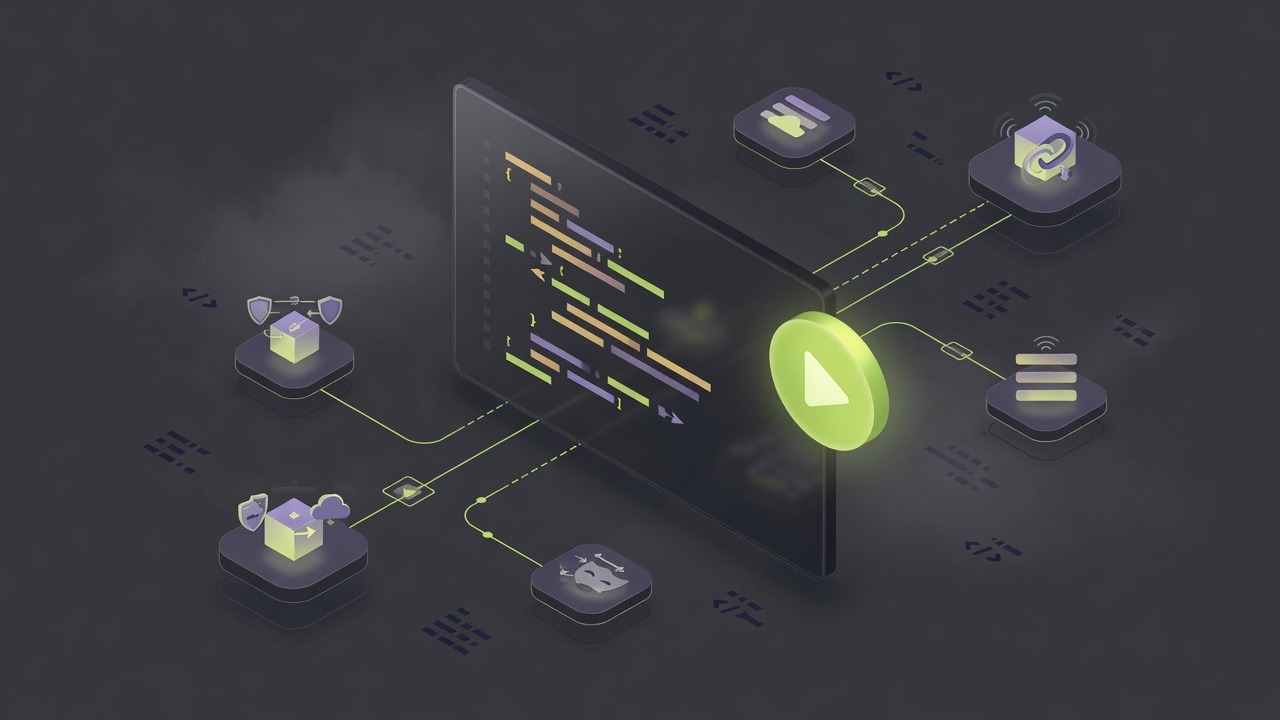
Workflow

Key Features of a Scraping API

01 · Understand the term

Translate the term into a concrete operational need.

02 · Translate it into a need

Choose the proxy type that matches that need.

03 · Choose a proxy type

Set the location and session behavior deliberately.

04 · Set location and session

Connect the route to the workflow.

05 · Test the behavior

Test one representative request or session.

06 · Apply the lesson

Apply the lesson without adding unnecessary complexity.

Details

Common Use Cases for a Scraping API

Test the target with a small route first, then adjust location, session length, and protocol based on observed behavior.

Use standard host, port, username, and password fields in browsers, scripts, and routing tools.

Use the location controls available for the selected product; city and deeper coverage vary by market.

Keep the workflow focused on its intended job and review the target’s rules before scaling.

Practical guidance

From definition to implementation

A useful concept should make the next operational decision clearer, not add another layer of jargon.

01

Understand

Translate the term into a concrete network or workflow decision.

02

Choose

Select the product and session behavior that fit that decision.

03

Test

Validate the result with a small route and a defined success condition.

FAQ

FAQs

Yes. Pick residential, mobile, or ISP Premium based on risk and session needs, then point your tool at the proxy host from the dashboard.
Residential and mobile use per-GB packages (billed monthly or pay as you go). ISP Premium is priced per IP. There are no free unlimited plans.
HTTPS works for most browser and scraper stacks. SOCKS5 is available when your tool prefers it.
Yes on eligible products. Hold the same IP for multi-step flows, or rotate per request for bulk collection.
Keep exploring

Useful next steps

Gateproxies.com

Ready to make this workflow more predictable

Choose a route, verify the connection, and scale when the workflow proves itself.

Explore plans Contact support