01
Research context
Separate the question you are asking from the route you use to collect or validate the answer.

Learn what web scraping is and build a working Python scraper that exports website data to CSV. See when clean proxies improve access and reliability
When a workflow depends on public data, regional context, or stable sessions, proxy selection is part of the implementation—not an afterthought.
Separate the question you are asking from the route you use to collect or validate the answer.
Match IP type, location, and session behavior to the target and the amount of traffic involved.
Test a small, representative sample before turning an interesting idea into a production workflow.
In short: Website URL -> HTTP request -> HTML response -> CSS selectors -> selected data -> CSV file.
Suppose an online store places a product title inside an h2 element and the price inside an element with the .price class. A scraper can find those elements on every product page and turn them into spreadsheet rows.
Web crawling and web scraping often appear in the same project, but they do different jobs. A crawler discovers pages. A scraper extracts selected fields from them.
For example, a crawler might find 10,000 product URLs. The scraper then collects the title, price, seller, rating, and stock status from each page.
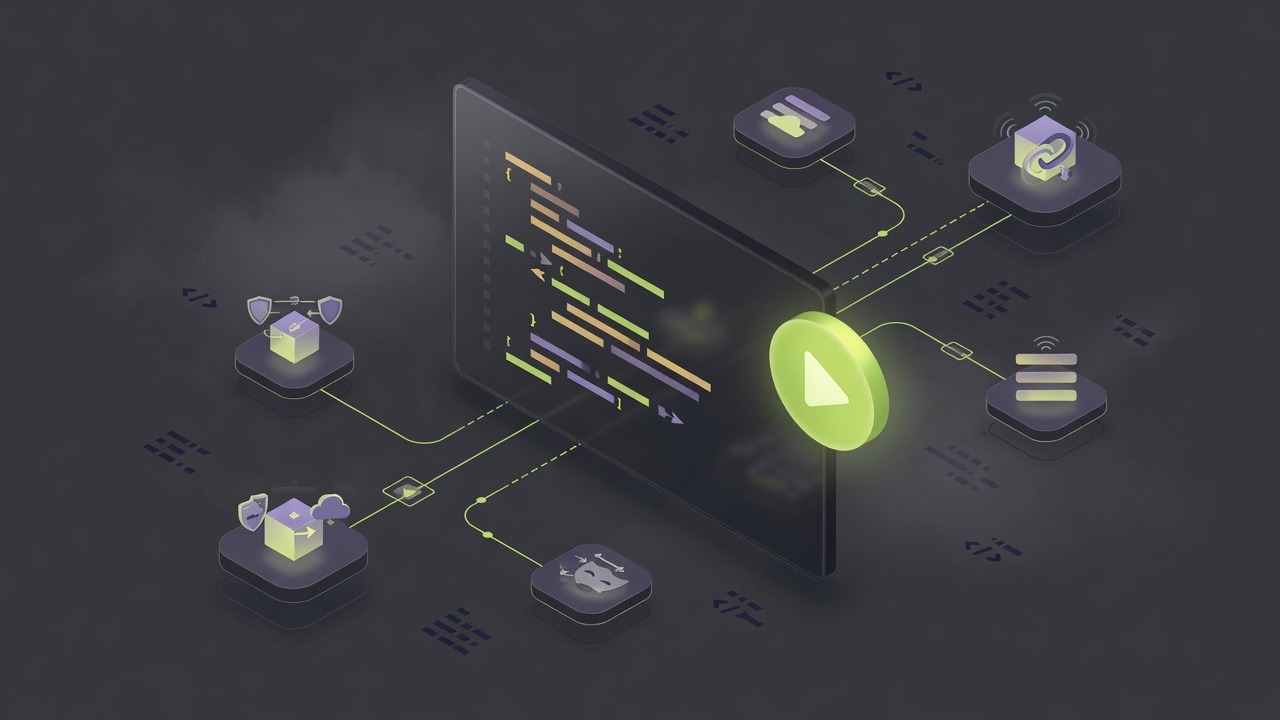
Turn the article’s question into a clear test.
Choose a target that represents the real work.
Select a route that matches the target and volume.
Run a small sample before making a broad claim.
Review the result against the original question.
Document what worked so the method can be repeated.

The useful takeaway is a testable decision: what to route, where to route it, and how to measure the result.
Write down the decision the research should help you make.
Use a small, representative sample before assuming a tool or method scales.
Keep a record of route, target, volume, and observed behavior.
Choose a route, verify the connection, and scale when the workflow proves itself.
Explore plans Contact support