Home / Blog / Web Crawling Vs Scraping
blog

Web Crawling vs Scraping: What’s the Difference and When to Use Each

Learn the key differences between web crawling vs scraping, their use cases, tools, and how to scale both with proxy infrastructure.

Overview

What Is Web Crawling?

Understanding both is essential if you’re building a data pipeline, search index, or automation workflow. 

This article explains their differences, when to use each, and how tools like Gateproxies’s proxy network can help you scale safely and reliably.

Think of web crawling as a spider discovering new pages, exploring URLs, following links, and building a map of the site structure.

Web crawling is the automated process of systematically browsing websites to collect a list of pages or URLs. Search engines like Google and Bing use sophisticated crawlers (e.g. Googlebot) to discover and index content across the internet. 

Designed for the job

The infrastructure behind the idea

When a workflow depends on public data, regional context, or stable sessions, proxy selection is part of the implementation—not an afterthought.

01

Research context

Separate the question you are asking from the route you use to collect or validate the answer.
02

Route selection

Match IP type, location, and session behavior to the target and the amount of traffic involved.

03

Validate first

Test a small, representative sample before turning an interesting idea into a production workflow.

Deep dive

What Is Web Scraping?

A typical crawler tracks sitemaps, obeys robots.txt, and uses queues, breadth-first or depth-first offers to traverse web pages.

Web crawling is about discovery, not extraction. It gives you the skeleton of a site. Next, let’s understand how scraping picks up where crawling leaves off.

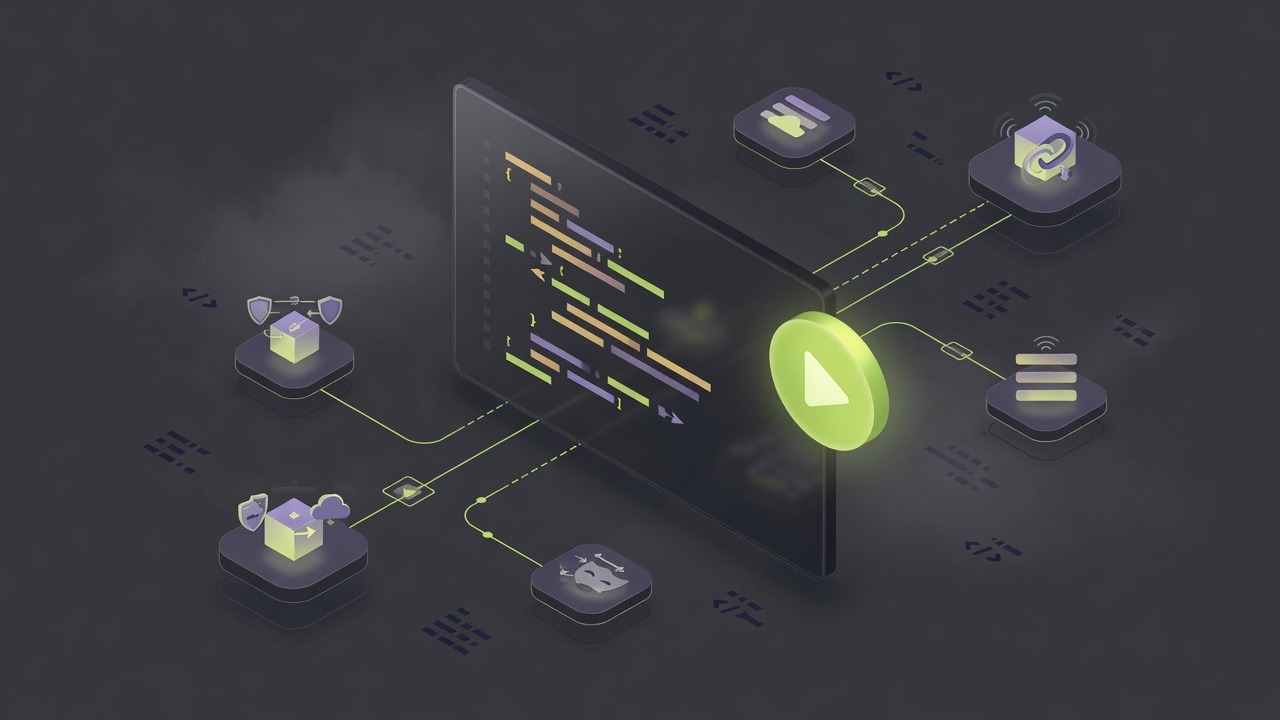
When you’re only interested in the data, like prices, names, or comments, you use web scraping to extract that content directly.

Gateproxies’s Web Scraping Proxy Pool offers residential and mobile IPs built to handle high-volume, stealth scraping.
Workflow

Web Crawling vs Scraping: Key Differences

01 · Define the question

Turn the article’s question into a clear test.

02 · Choose a representative target

Choose a target that represents the real work.

03 · Select a route

Select a route that matches the target and volume.

04 · Run a small test

Run a small sample before making a broad claim.

05 · Review the result

Review the result against the original question.

06 · Document the method

Document what worked so the method can be repeated.
Details

Which One Do You Need: Web Crawling vs Scraping?

Use this guide to frame the decision, then verify the current route and package details in the product pages.

Examples are starting points; test the target with a small, compliant request before scaling.

Practical guidance

Turn the research into an operating choice

The useful takeaway is a testable decision: what to route, where to route it, and how to measure the result.

01

Question

Write down the decision the research should help you make.

02

Test

Use a small, representative sample before assuming a tool or method scales.

03

Review

Keep a record of route, target, volume, and observed behavior.

FAQ

FAQs

Yes. Pick residential, mobile, or ISP Premium based on risk and session needs, then point your tool at the proxy host from the dashboard.
Residential and mobile use per-GB packages (billed monthly or pay as you go). ISP Premium is priced per IP. There are no free unlimited plans.
HTTPS works for most browser and scraper stacks. SOCKS5 is available when your tool prefers it.
Yes on eligible products. Hold the same IP for multi-step flows, or rotate per request for bulk collection.
Keep exploring

Useful next steps

Gateproxies.com

Ready to make this workflow more predictable

Choose a route, verify the connection, and scale when the workflow proves itself.

Explore plans Contact support