01
Research context
Separate the question you are asking from the route you use to collect or validate the answer.


Discover the types of proxies - datacenter, residential, mobile, and more - and learn how to choose the right one for your needs.

When a workflow depends on public data, regional context, or stable sessions, proxy selection is part of the implementation—not an afterthought.
Separate the question you are asking from the route you use to collect or validate the answer.
Match IP type, location, and session behavior to the target and the amount of traffic involved.
Test a small, representative sample before turning an interesting idea into a production workflow.
In a world where data breaches and privacy invasions are popular, proxies serve as a critical shield.
By hiding your IP address, proxies give anonymity, making it harder for evil actors or prying eyes to track your online activities.
For businesses, this added layer of security is vital for protecting sensitive operations.
Proxies are versatile tools used for various purposes:
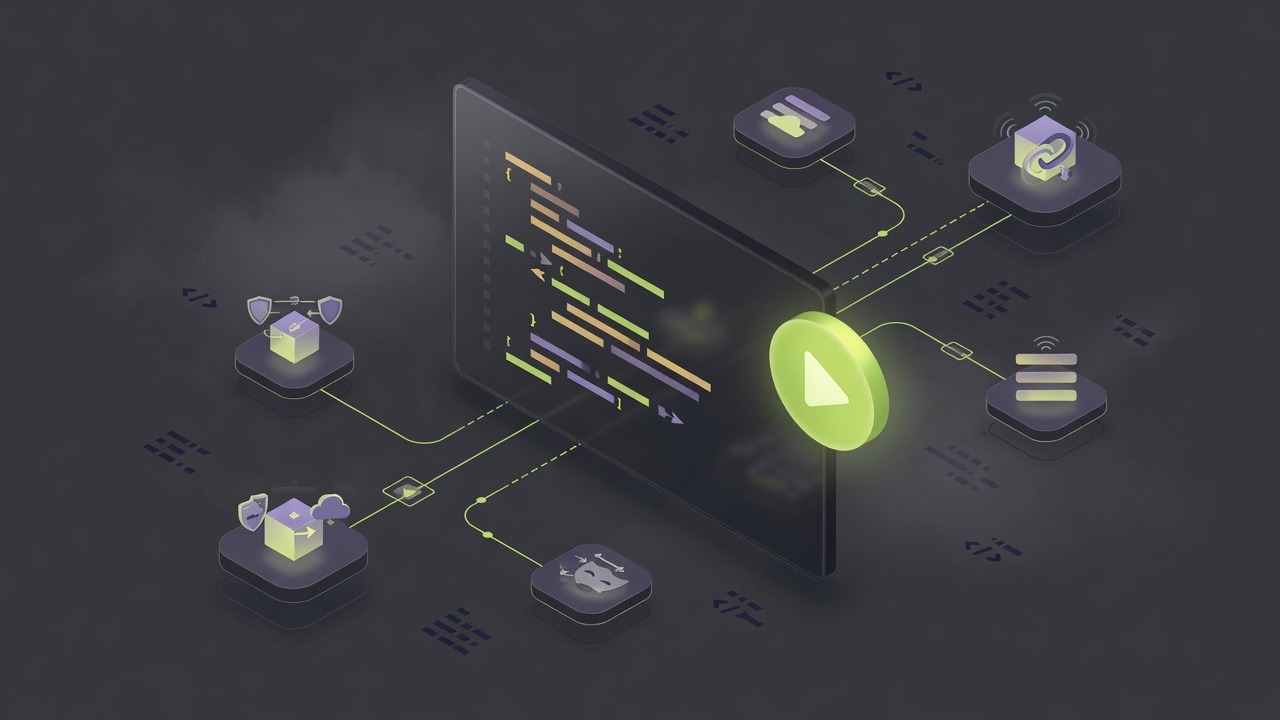
Turn the article’s question into a clear test.
Choose a target that represents the real work.
Select a route that matches the target and volume.
Run a small sample before making a broad claim.
Review the result against the original question.
Document what worked so the method can be repeated.
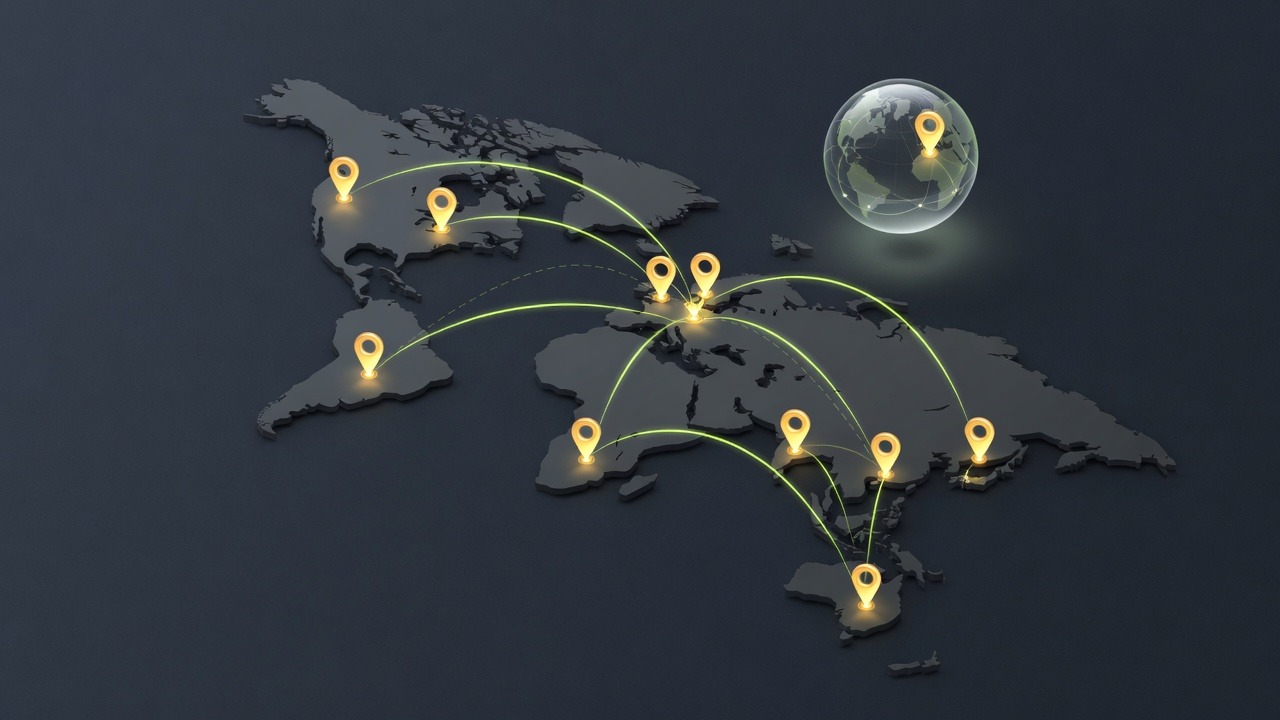
The useful takeaway is a testable decision: what to route, where to route it, and how to measure the result.
Write down the decision the research should help you make.
Use a small, representative sample before assuming a tool or method scales.
Keep a record of route, target, volume, and observed behavior.
Choose a route, verify the connection, and scale when the workflow proves itself.
Explore plans Contact support