Home / Blog / Serp Scraping How To Collect Search Engine Data Safely With Proxies
blog

SERP Scraping: How to Collect Search Engine Data Safely with Proxies

Learn what SERP scraping is. and why proxies are important. Discover how to build a scalable SERP scraping system and avoid common mistakes.

Overview

What Is SERP Scraping?

But there’s a catch - search engines don’t exactly like being scraped. They deploy aggressive anti-bot measures that can quickly block your IP, limit access, or show you misleading results.

That’s where proxies come into play. With the right setup, proxies help you scrape SERPs anonymously, safely, and at scale.

Let’s dive into what SERP scraping is, why it’s essential, and how proxies make it possible to do it effectively and securely.

SERP scraping refers to the process of automatically extracting data from search engine result pages. This includes organic results, ads, featured snippets, “People Also Ask” sections, and more.

Designed for the job

The infrastructure behind the idea

When a workflow depends on public data, regional context, or stable sessions, proxy selection is part of the implementation—not an afterthought.

01

Research context

Separate the question you are asking from the route you use to collect or validate the answer.

02

Route selection

Match IP type, location, and session behavior to the target and the amount of traffic involved.

03

Validate first

Test a small, representative sample before turning an interesting idea into a production workflow.

Deep dive

Why SERP Scraping Is Challenging

Essentially, it allows you to gather real-time insights into how search engines rank websites, display content, and serve advertisements for specific keywords or locations.

Common use cases for SERP scraping include:

Without SERP scraping, marketers and data analysts would have to rely on incomplete or outdated third-party tools - instead of accessing live, accurate search results.

While SERP scraping sounds straightforward, search engines like Google and Bing are extremely protective of their data. Their algorithms constantly monitor for automated scraping activities and respond with various defenses.
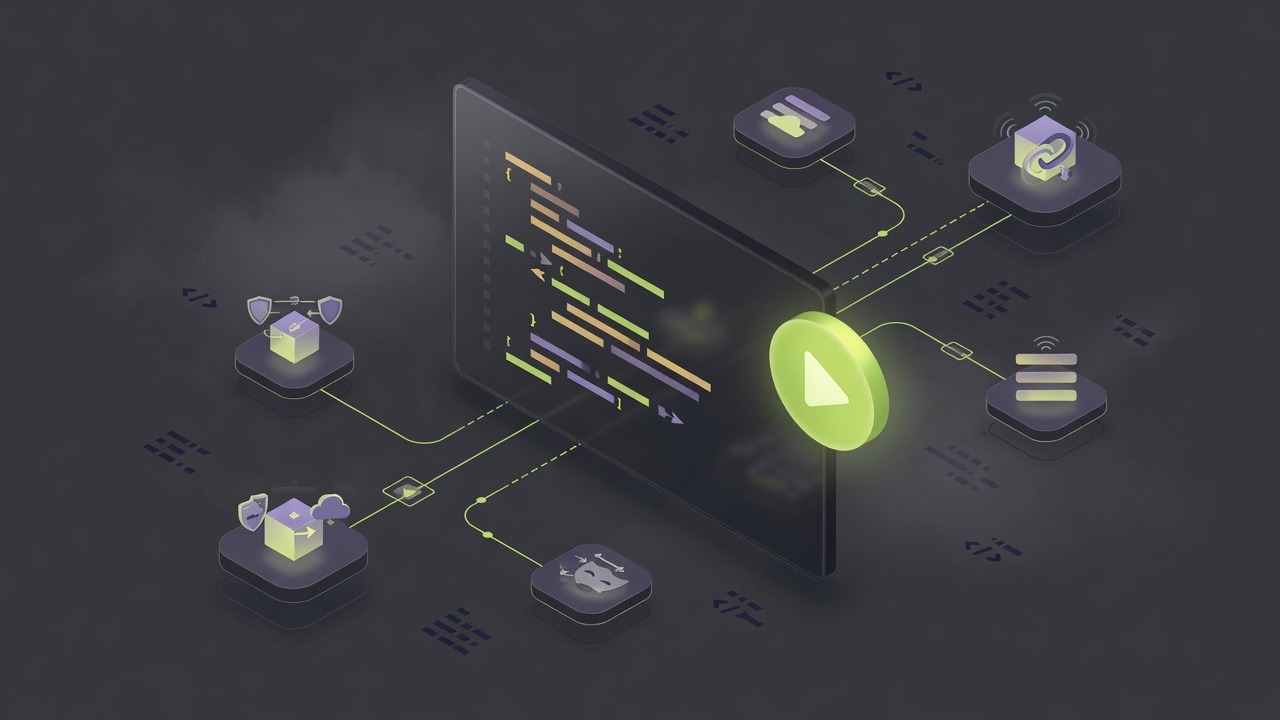
Workflow

How Proxies Enable Effective SERP Scraping

01 · Define the question

Turn the article’s question into a clear test.

02 · Choose a representative target

Choose a target that represents the real work.

03 · Select a route

Select a route that matches the target and volume.

04 · Run a small test

Run a small sample before making a broad claim.

05 · Review the result

Review the result against the original question.

06 · Document the method

Document what worked so the method can be repeated.

Details

Best Proxy Types for SERP Scraping

Use this guide to frame the decision, then verify the current route and package details in the product pages.

Examples are starting points; test the target with a small, compliant request before scaling.

Practical guidance

Turn the research into an operating choice

The useful takeaway is a testable decision: what to route, where to route it, and how to measure the result.

01

Question

Write down the decision the research should help you make.

02

Test

Use a small, representative sample before assuming a tool or method scales.

03

Review

Keep a record of route, target, volume, and observed behavior.

FAQ

FAQs

Yes. Pick residential, mobile, or ISP Premium based on risk and session needs, then point your tool at the proxy host from the dashboard.
Residential and mobile use per-GB packages (billed monthly or pay as you go). ISP Premium is priced per IP. There are no free unlimited plans.
HTTPS works for most browser and scraper stacks. SOCKS5 is available when your tool prefers it.
Yes on eligible products. Hold the same IP for multi-step flows, or rotate per request for bulk collection.
Keep exploring

Useful next steps

Gateproxies.com

Ready to make this workflow more predictable

Choose a route, verify the connection, and scale when the workflow proves itself.

Explore plans Contact support