01
Research context
Separate the question you are asking from the route you use to collect or validate the answer.


Discover how to use proxies with Facebook to manage multiple accounts safely and boost your marketing success.

When a workflow depends on public data, regional context, or stable sessions, proxy selection is part of the implementation—not an afterthought.
Separate the question you are asking from the route you use to collect or validate the answer.
Match IP type, location, and session behavior to the target and the amount of traffic involved.
Test a small, representative sample before turning an interesting idea into a production workflow.
The platform is known for quickly flagging suspicious activity, including multiple logins from a single IP address. This is where proxies come into the picture.
Proxies allow you to mask your real IP address, making it look like each account is being accessed from a different location. This reduces the chances of Facebook linking your multiple accounts and flagging them for suspicious behavior.
Here’s why using proxies with Facebook is crucial:
Choosing the right proxy for Facebook is like picking the right tool for the job-you wouldn’t use a hammer to fix your Wi-Fi, right?

Turn the article’s question into a clear test.
Choose a target that represents the real work.
Select a route that matches the target and volume.
Run a small sample before making a broad claim.
Review the result against the original question.
Document what worked so the method can be repeated.
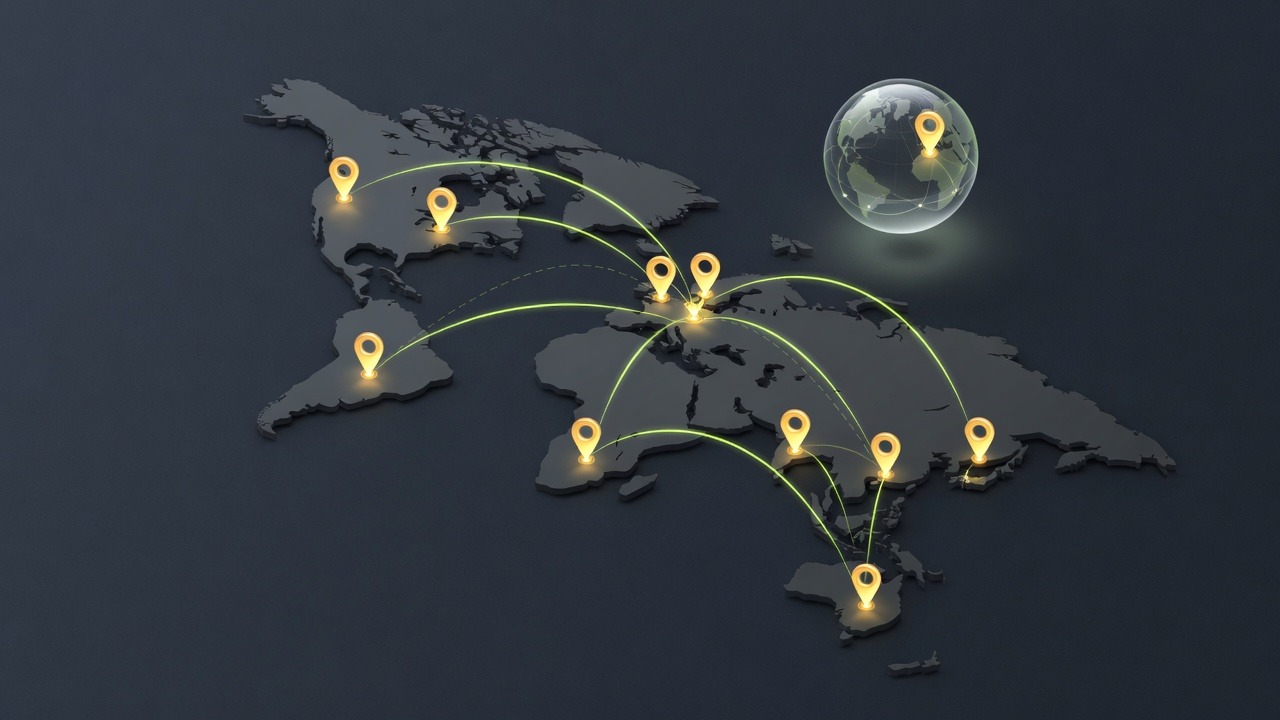
The useful takeaway is a testable decision: what to route, where to route it, and how to measure the result.
Write down the decision the research should help you make.
Use a small, representative sample before assuming a tool or method scales.
Keep a record of route, target, volume, and observed behavior.
Choose a route, verify the connection, and scale when the workflow proves itself.
Explore plans Contact support