01
Research context
Separate the question you are asking from the route you use to collect or validate the answer.


Learn how to build a news scraper with Python, AI, and residential proxies. Explore tools, code examples, best practices, and avoid IP blocks
When a workflow depends on public data, regional context, or stable sessions, proxy selection is part of the implementation—not an afterthought.
Separate the question you are asking from the route you use to collect or validate the answer.
Match IP type, location, and session behavior to the target and the amount of traffic involved.
Test a small, representative sample before turning an interesting idea into a production workflow.
The collected information can then be analyzed, visualized, or integrated into other systems.
Unlike manual research, automated scraping makes it possible to monitor hundreds or even thousands of websites around the clock.
Although every project is different, the workflow usually follows the same pattern.
This process can run continuously, allowing businesses to receive updates within minutes after an article is published.
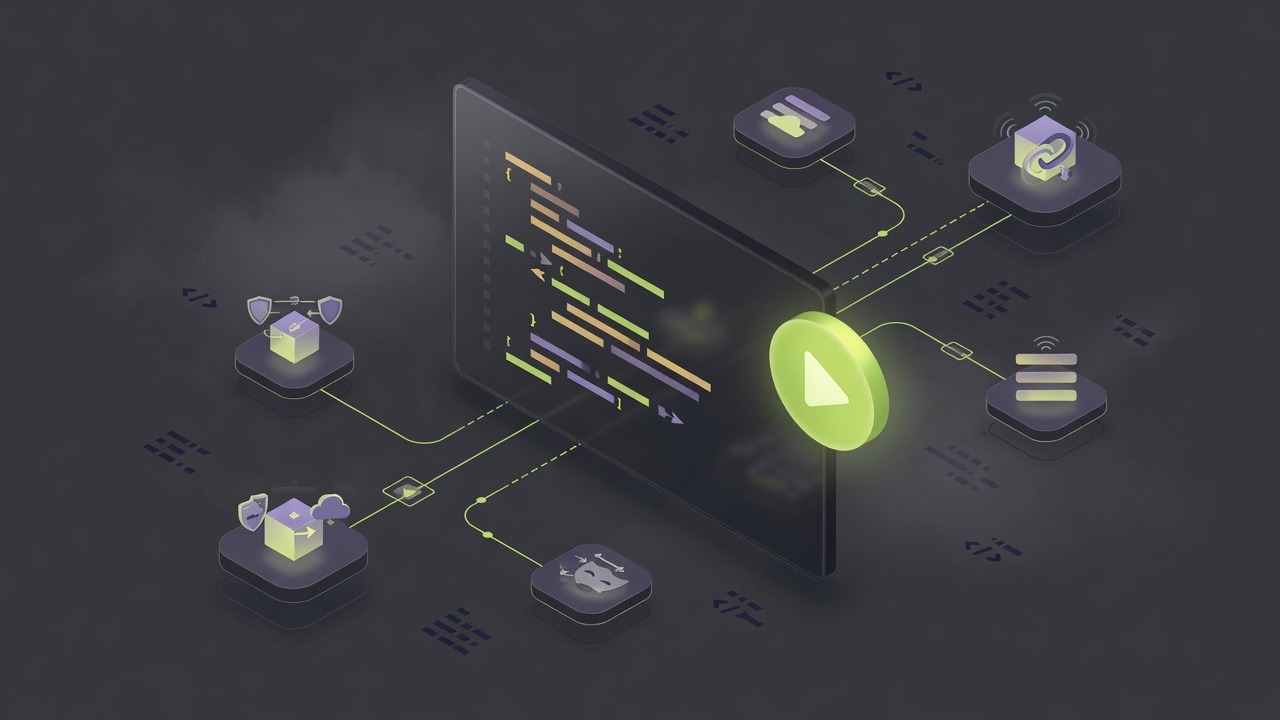
Turn the article’s question into a clear test.
Choose a target that represents the real work.
Select a route that matches the target and volume.
Run a small sample before making a broad claim.
Review the result against the original question.
Document what worked so the method can be repeated.

The useful takeaway is a testable decision: what to route, where to route it, and how to measure the result.
Write down the decision the research should help you make.
Use a small, representative sample before assuming a tool or method scales.
Keep a record of route, target, volume, and observed behavior.
Choose a route, verify the connection, and scale when the workflow proves itself.
Explore plans Contact support