01
Research context
Separate the question you are asking from the route you use to collect or validate the answer.


Discover 10 proven ways to bypass CAPTCHA for web scraping using Gateproxies residential proxies, browser automation, and sticky sessions

When a workflow depends on public data, regional context, or stable sessions, proxy selection is part of the implementation—not an afterthought.
Separate the question you are asking from the route you use to collect or validate the answer.
Match IP type, location, and session behavior to the target and the amount of traffic involved.
Test a small, representative sample before turning an interesting idea into a production workflow.
Although each provider uses different detection techniques, they all share one objective: stopping automated traffic while allowing legitimate visitors to continue browsing.
Many developers assume CAPTCHA appears only after too many requests from the same IP. That was true years ago, but modern anti-bot systems evaluate many signals simultaneously.
IP reputation remains one of the strongest trust signals.
Residential and mobile IPs usually receive higher trust scores because they originate from real internet service providers. Datacenter IPs are heavily used for automation and therefore trigger more CAPTCHA challenges.
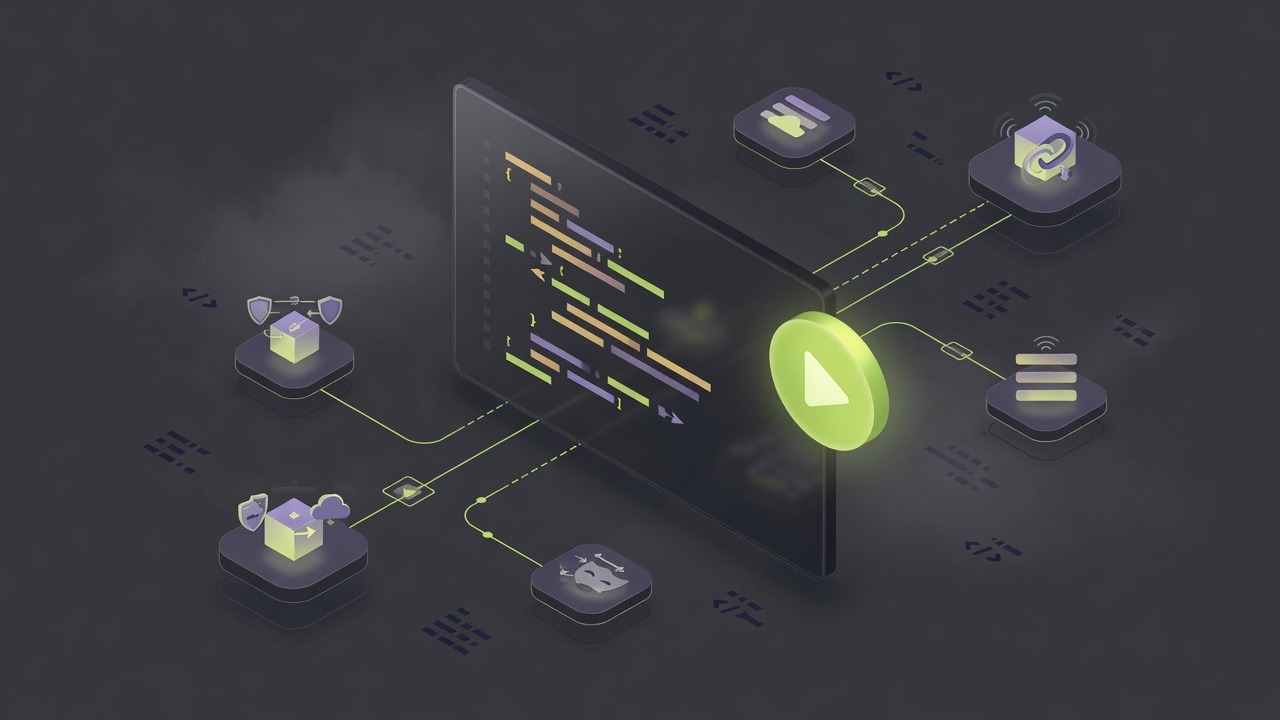
Turn the article’s question into a clear test.
Choose a target that represents the real work.
Select a route that matches the target and volume.
Run a small sample before making a broad claim.
Review the result against the original question.
Document what worked so the method can be repeated.
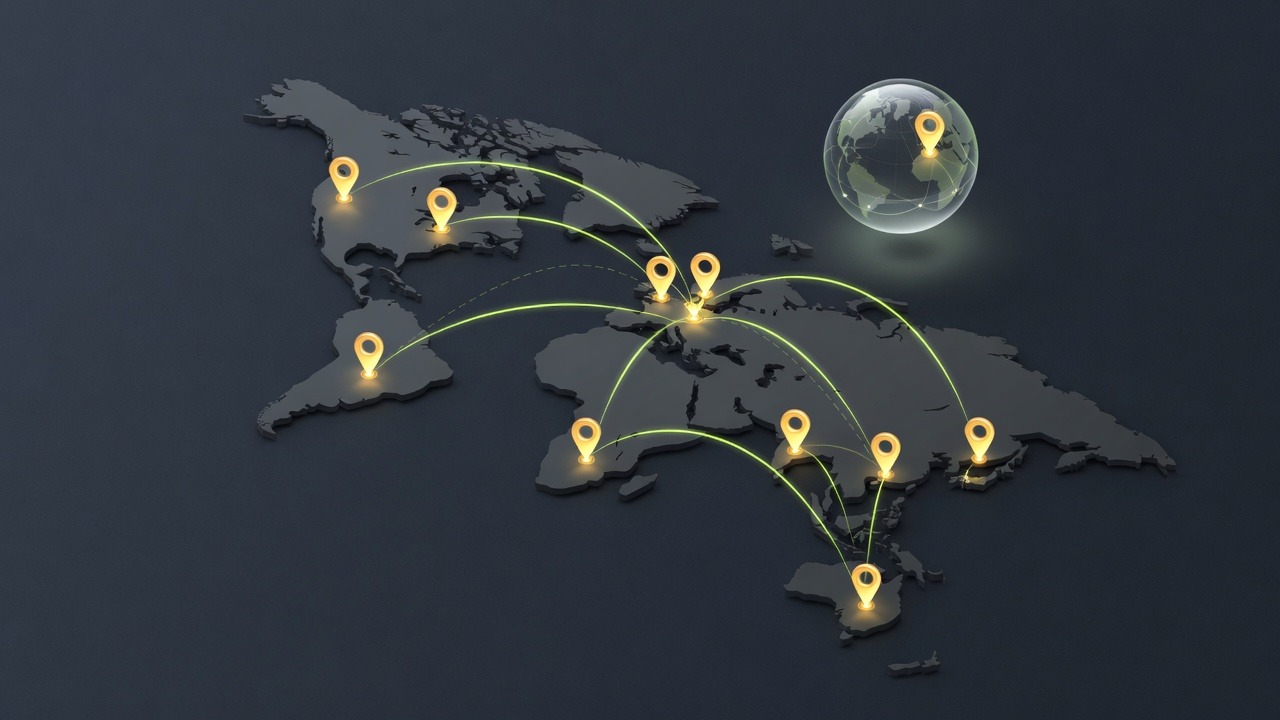
The useful takeaway is a testable decision: what to route, where to route it, and how to measure the result.
Write down the decision the research should help you make.
Use a small, representative sample before assuming a tool or method scales.
Keep a record of route, target, volume, and observed behavior.
Choose a route, verify the connection, and scale when the workflow proves itself.
Explore plans Contact support