Home / Blog / Browserleaks
blog

Browserleaks: Testing Browser Fingerprints & Online Privacy

Test fingerprints like a pro with Browserleaks and scale smarter with Gateproxies’s static & rotating residential proxies.

Overview

What Is Browserleaks?

In this review, we’ll explore what Browserleaks is, its key features, how to use it effectively, and how it compares to other browser fingerprint checkers. Finally, we’ll show you how pairing Browserleaks with Gateproxies gives you the ultimate privacy shield.

Browserleaks is a privacy-focused online tool designed to reveal everything a website can detect about your browser, device, and connection.

It provides a comprehensive suite of tests to inspect your fingerprint, including WebRTC, Canvas, WebGL, JavaScript environment, headers, and more. 

Whether you’re an anti-detect browser user, web scraper, affiliate marketer, or simply privacy-conscious, Browserleaks helps you understand your browser’s digital footprint.

Designed for the job

The infrastructure behind the idea

When a workflow depends on public data, regional context, or stable sessions, proxy selection is part of the implementation—not an afterthought.

01

Research context

Separate the question you are asking from the route you use to collect or validate the answer.

02

Route selection

Match IP type, location, and session behavior to the target and the amount of traffic involved.

03

Validate first

Test a small, representative sample before turning an interesting idea into a production workflow.

Deep dive

Key Features of Browserleaks

Browserleaks is used by a wide range of professionals:

Browserleaks offers over a dozen fingerprinting and privacy tests. Each one is dedicated to showing what can be detected by websites, even if you’re using advanced proxy or spoofing tools.

This section checks whether your real IP is leaking through WebRTC (a real-time communication protocol built into browsers). It’s especially useful for proxy and VPN users who want to confirm that only the proxy IP is visible.

Canvas and WebGL are used by websites to generate unique visual hashes of your device’s GPU and rendering setup. Browserleaks shows how your browser draws shapes or 3D content and flags the unique fingerprint it produces.
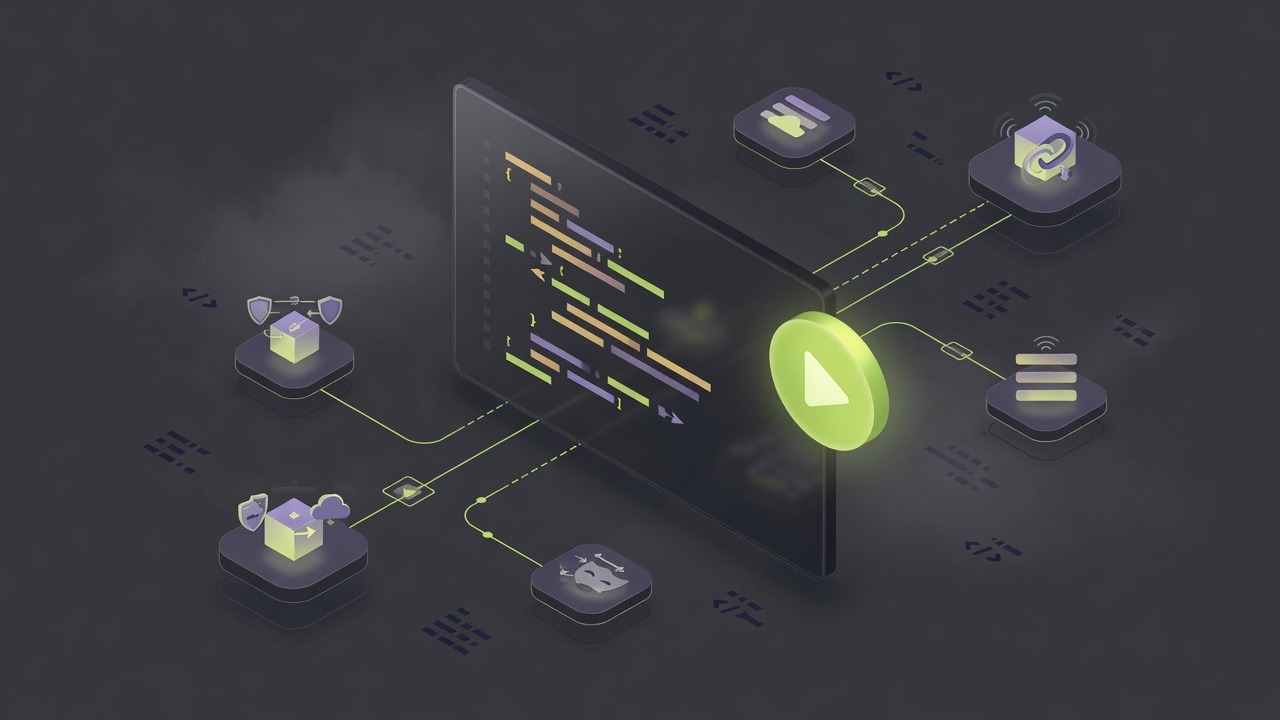
Workflow

How to Use Browserleaks to Audit Your Online Fingerprint

01 · Define the question

Turn the article’s question into a clear test.

02 · Choose a representative target

Choose a target that represents the real work.

03 · Select a route

Select a route that matches the target and volume.

04 · Run a small test

Run a small sample before making a broad claim.

05 · Review the result

Review the result against the original question.

06 · Document the method

Document what worked so the method can be repeated.

Details

Pros and Cons of Using Browserleaks

Use this guide to frame the decision, then verify the current route and package details in the product pages.

Examples are starting points; test the target with a small, compliant request before scaling.

Practical guidance

Turn the research into an operating choice

The useful takeaway is a testable decision: what to route, where to route it, and how to measure the result.

01

Question

Write down the decision the research should help you make.

02

Test

Use a small, representative sample before assuming a tool or method scales.

03

Review

Keep a record of route, target, volume, and observed behavior.

FAQ

FAQs

Yes. Pick residential, mobile, or ISP Premium based on risk and session needs, then point your tool at the proxy host from the dashboard.
Residential and mobile use per-GB packages (billed monthly or pay as you go). ISP Premium is priced per IP. There are no free unlimited plans.
HTTPS works for most browser and scraper stacks. SOCKS5 is available when your tool prefers it.
Yes on eligible products. Hold the same IP for multi-step flows, or rotate per request for bulk collection.
Keep exploring

Useful next steps

Gateproxies.com

Ready to make this workflow more predictable

Choose a route, verify the connection, and scale when the workflow proves itself.

Explore plans Contact support