01
Research context
Separate the question you are asking from the route you use to collect or validate the answer.

Discover the best AI web scraping tools for 2026. Automate data extraction with smart, efficient, and adaptive scraping solutions.
When a workflow depends on public data, regional context, or stable sessions, proxy selection is part of the implementation—not an afterthought.
Separate the question you are asking from the route you use to collect or validate the answer.
Match IP type, location, and session behavior to the target and the amount of traffic involved.
Test a small, representative sample before turning an interesting idea into a production workflow.
Unlike traditional scrapers, which rely on static rules, AI-powered scrapers can adapt to website changes, bypass anti-bot protections, and extract structured data with greater accuracy.
AI web scraping tools are advanced software solutions that automate data extraction from websites using artificial intelligence.
These tools leverage machine learning, natural language processing, and computer vision to recognize patterns, making web scraping faster, more efficient, and less prone to detection.
For developers and researchers exploring advanced scraping techniques, access to high-quality AI tools can make a huge difference.
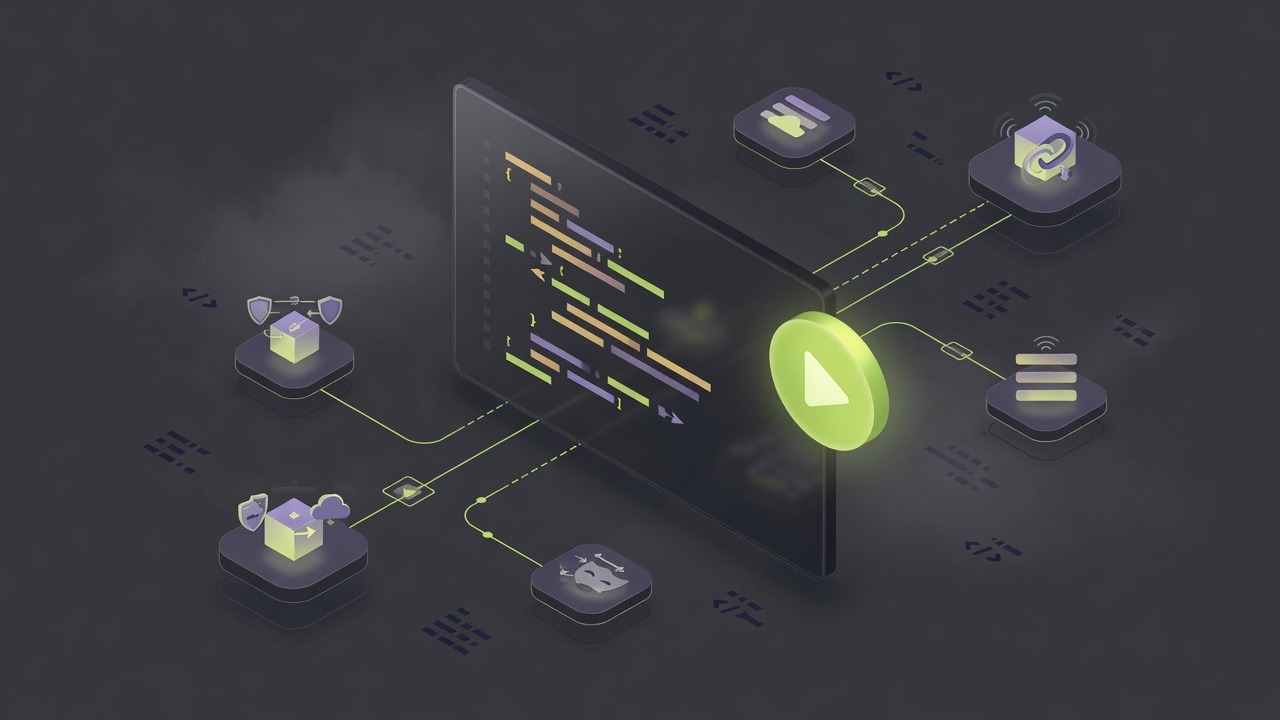
Turn the article’s question into a clear test.
Choose a target that represents the real work.
Select a route that matches the target and volume.
Run a small sample before making a broad claim.
Review the result against the original question.
Document what worked so the method can be repeated.

The useful takeaway is a testable decision: what to route, where to route it, and how to measure the result.
Write down the decision the research should help you make.
Use a small, representative sample before assuming a tool or method scales.
Keep a record of route, target, volume, and observed behavior.
Choose a route, verify the connection, and scale when the workflow proves itself.
Explore plans Contact support